How Do Rats Get in Your House?
Wondering how do rats get in your house? They slip through small exterior holes as…
ElliottAugust 28, 2026

Uninvited guests leave clues before they knock. In Olympia, Lacey, Tumwater, and the rest of Thurston County, those clues often show up in the yard first—especially once the mild, wet South Sound weather pushes rodents looking for better shelter.
Norway rats (the heavier burrowers) and roof rats (the agile climbers) are the two we see most often around local homes. Both can turn a small outdoor presence into attic, crawlspace, or wall activity if the signs get ignored. Here’s what to watch for, plus simple next steps that actually work in our climate.
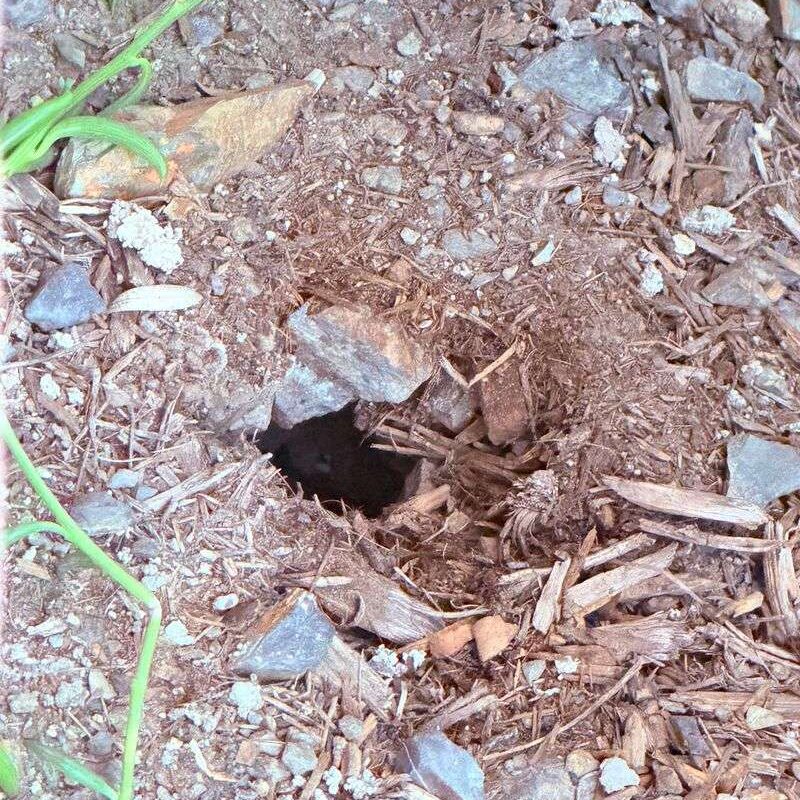
Neat, round burrows with smooth edges and loose dirt nearby are classic Norway rat work. Check along the foundation, under decks, around sheds, and near dense shrubs or mulch piles. In our rainy area these holes often stay open longer because the soil stays soft.
Fill one with soil or loosely packed newspaper. If it’s open again in a day or two, something is still using it. Clear the clutter, cut back vegetation that touches the house, and seal obvious gaps. Persistent activity usually needs professional exclusion rather than repeated filling.
Dark, rice-shaped pellets about half an inch long point to rats (mice droppings are smaller and more pointed). You’ll find them along foundation walls, under decks, near trash bins, and around compost or pet-feeding areas.
Fresh droppings look moist and dark; older ones are drier and grayer. Wear gloves and a mask for cleanup, then disinfect the area. Ongoing droppings outdoors often mean the rodents are already testing entry points into the house.
Rats leave oily fur marks along the routes they travel most. Look low on foundation walls, fence lines, the edges of decks, and around utility openings. These smudges show up especially well on light-colored siding or concrete.
Wipe the marks and check back in a few days. If they reappear, the traffic is active. Sealing the nearby gaps with steel wool, copper mesh, and durable sealant is the practical next step. Our team regularly finds these trails leading straight to crawlspace or garage entries on local homes.
Jagged bite marks on tomatoes, apples, berries, or fallen fruit are a clear sign. Roof rats are especially good at climbing fruit trees and raised beds common in Olympia-area yards. They also go after birdseed spilled under feeders.
Pick ripe fruit daily, use mesh or raised-bed covers where practical, and clean up fallen produce. Persistent damage usually means the rodents have a reliable food source and are close enough to the house to become a bigger problem.
Flattened, narrow paths (often 2–3 inches wide) through grass, moss, or ground cover connect burrows to food or water. In the South Sound these trails stay visible longer because the ground stays damp.
Sprinkle a little flour across a suspected trail in the evening and check for footprints the next morning. Keeping grass shorter and reducing thick ground cover near the foundation makes these routes less attractive and easier to spot.
Fresh, light-colored grooves on wood, plastic bins, irrigation lines, or even outdoor furniture show recent chewing. Rats must gnaw constantly to keep their teeth from overgrowing, so marks appear on almost any durable material.
Check around sheds, under decks, and near stored items. Replace damaged bins with sturdy metal or heavy-duty options and repair wooden edges with metal flashing where rodents have already started. These outdoor marks frequently precede chewed wiring or insulation once the rats move inside.
Rats are mostly nocturnal. Listen near decks, sheds, dense bushes, and the foundation after sunset. In our mild climate they stay active year-round, so the sounds don’t disappear in winter the way they might in colder regions.
If the noises move closer to the house or you start hearing them indoors (attic, walls, crawlspace), the outdoor population has likely found an entry point. At that stage exclusion and targeted removal work better than waiting.
Dogs and cats often notice rats before people do. Persistent sniffing, digging, or staring at one section of the yard, under the deck, or along the foundation is worth investigating. Don’t encourage chasing—rodents can carry disease and a chase can push them toward the house.
Bring pet food and water bowls in at night and clean up waste promptly. Many of the rodent jobs we handle in Lacey and Olympia start with a homeowner noticing their dog acting oddly in one part of the yard.
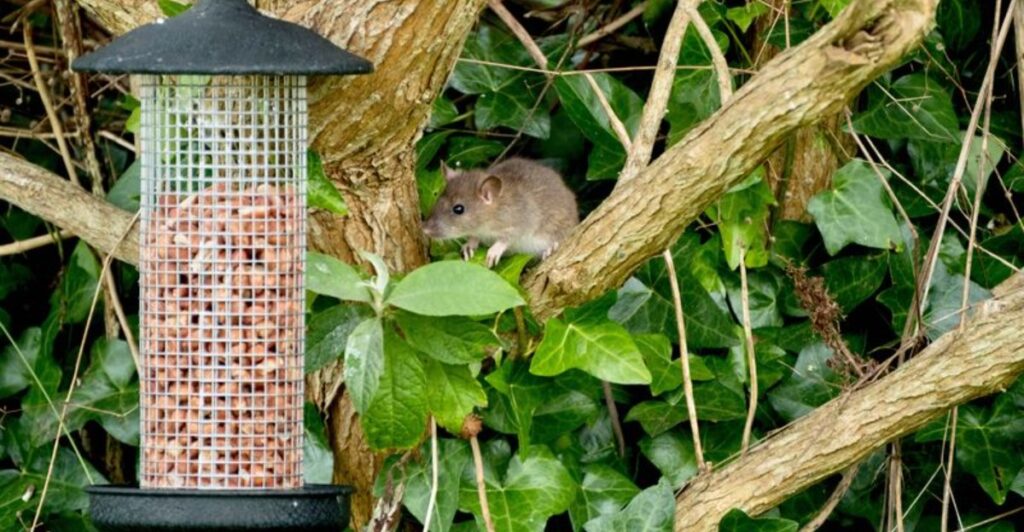
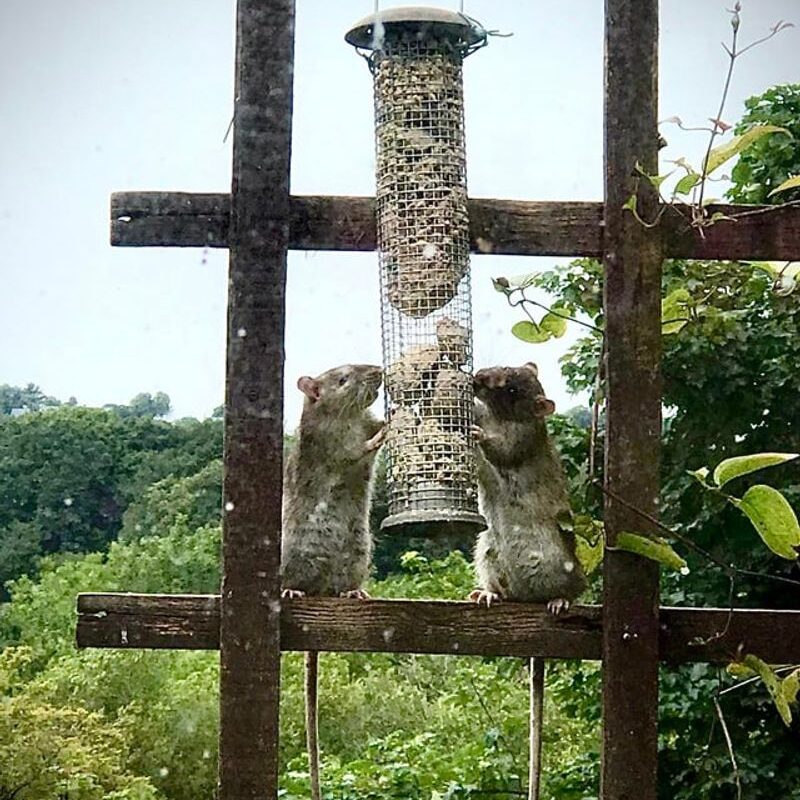
Spilled seed, husks, and overnight emptying are common attractants. Rats (and mice) treat bird feeders as reliable buffets. In tree-heavy South Sound neighborhoods, roof rats can reach feeders easily.
Use seed trays or baffles, switch to no-mess seed if possible, and consider taking feeders down temporarily if you see other signs. Clean up spilled seed daily. Many local infestations begin with a well-stocked feeder and end with rodents in the attic or garage.
Early yard signs are the best time to act. Clearing food and shelter, sealing obvious gaps, and monitoring activity can stop a small outdoor problem. Once droppings, grease marks, or noises appear indoors—or if the outdoor activity keeps returning—professional inspection and exclusion are usually more effective and longer-lasting.
At Bigfoot Pest Management, we handle rodent control across Olympia, Lacey, Tumwater, Yelm, and surrounding Thurston County communities with a focus on exclusion, targeted removal, and prevention. We’re a local, family-owned company, WSPMA certified, and use eco-conscious IPM methods suited to our wet climate. We offer free inspections and warranty-backed plans so the same rats don’t just come back next season.
If you’re seeing any of these signs in your yard, call us at (360) 789-5295 or schedule a free inspection through our rodent control page. Catching it outdoors is almost always simpler and less expensive than dealing with an established indoor infestation.
For more on the damage rats and mice cause once they’re inside, see our related post on stopping rodent damage in Olympia homes. We also cover the broader South Sound service area if you’re outside the immediate Olympia core.
Stay ahead of the rodents—your yard showing you the warning signs of rats.