How Moisture Problems Invite Ants and Other Pests
In Olympia and throughout the South Sound, moisture is part of everyday life. Between frequent…
ElliottJanuary 26, 2026

Living in the Pacific Northwest means sharing our environment with incredible wildlife, but it also means dealing with wood-destroying pests that thrive in our damp climate. In cities like Olympia, Tumwater, and Lacey, carpenter ant damage is a serious concern for homeowners.
These insects are responsible for significant structural issues across Washington each year, often surpassing termites in terms of local frequency.
At BigFoot Pest Management, we specialize in protecting homes throughout Thurston County and the surrounding South Sound areas. We know that in a region where it rains frequently, moisture and pest control go hand in hand.
Identifying the early signs of a carpenter ant infestation is the best way to prevent expensive repairs to your house.
Carpenter ant damage appears as smooth, clean tunnels or carpenter ant galleries carved directly into the wooden structures of a home. Unlike termites, carpenter ants do not eat wood for its nutritional value.
Instead, they use their powerful mandibles to excavate the wood to create tunnels for their expanding colonies. This results in wood that looks like it has been professionally hollowed out with a sandpaper tool.
In Western Washington, these ants typically target wood that has already been softened by moisture or fungal decay. This is why you will often find damaged wood in hidden areas like the rim joist or near window sills.
Because the damage happens from the inside out, a beam may look fine on the exterior while being hollowed out. If you tap on a beam and hear a hollow sound, it is a sign that ants have been causing damage. You can confirm this by probing the wood.
If it crumbles easily or offers little resistance, the structure is likely compromised.

One of the biggest differences between these pests is how they treat your home. While both can cause structural damage, their biology and the way they destroy wood are very different. Identifying the culprit correctly is the first step in applying the right pest control strategy.
Feature | Carpenter Ants | Subterranean Termites |
Diet | Do not eat wood; they eat honeydew and other insects. | Eat wood for its cellulose. |
Galleries | Smooth, polished, and free of mud. | Rough, “honeycombed” look filled with mud. |
Size | Large, ranging from 1/4 to 1 inch long. | Small, usually no more than 1/2 inch long. |
Droppings | Soft, fibrous wood shavings (frass). | Tightly packed fecal pellets are like salt or pepper. |
Wings | Reddish-brown and shorter than the body. | Longer than the body and uniform in size. |
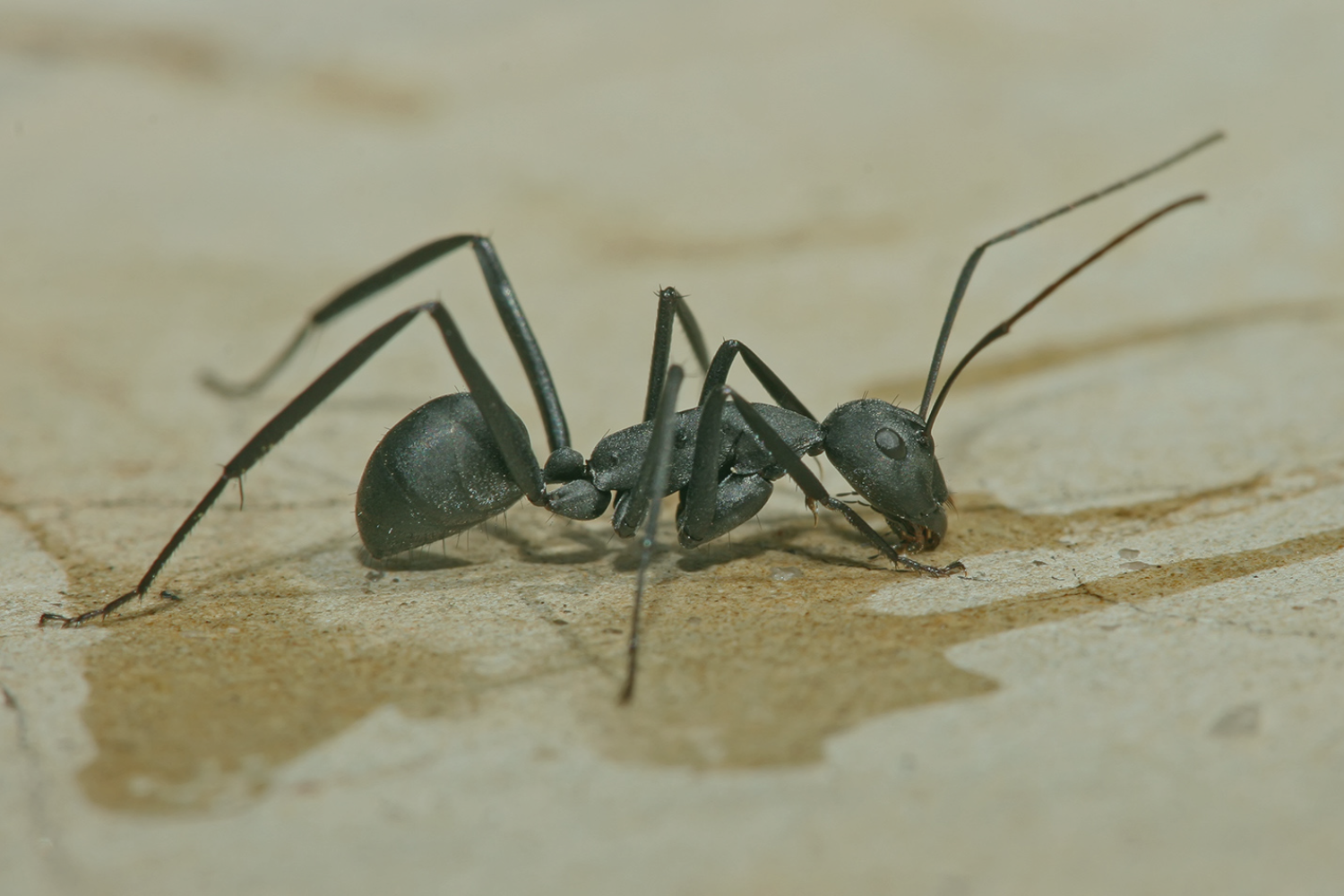
Carpenter ants are among the largest ant species. The worker ants can range in size from 1/4 to 5/8 of an inch, while a queen can reach 9/16 of an inch. In contrast, subterranean termites are much smaller and often remain hidden in the soil or within mud tubes.
Spotting carpenter ant damage before it becomes a catastrophe requires looking for subtle clues. Because these ants are often nocturnal, you might not see the workers during the day, but they leave a signature behind.
The most reliable sign of an active carpenter ant nest is the presence of frass. Since they do not eat the wood, they must get rid of the unwanted debris as they excavate.
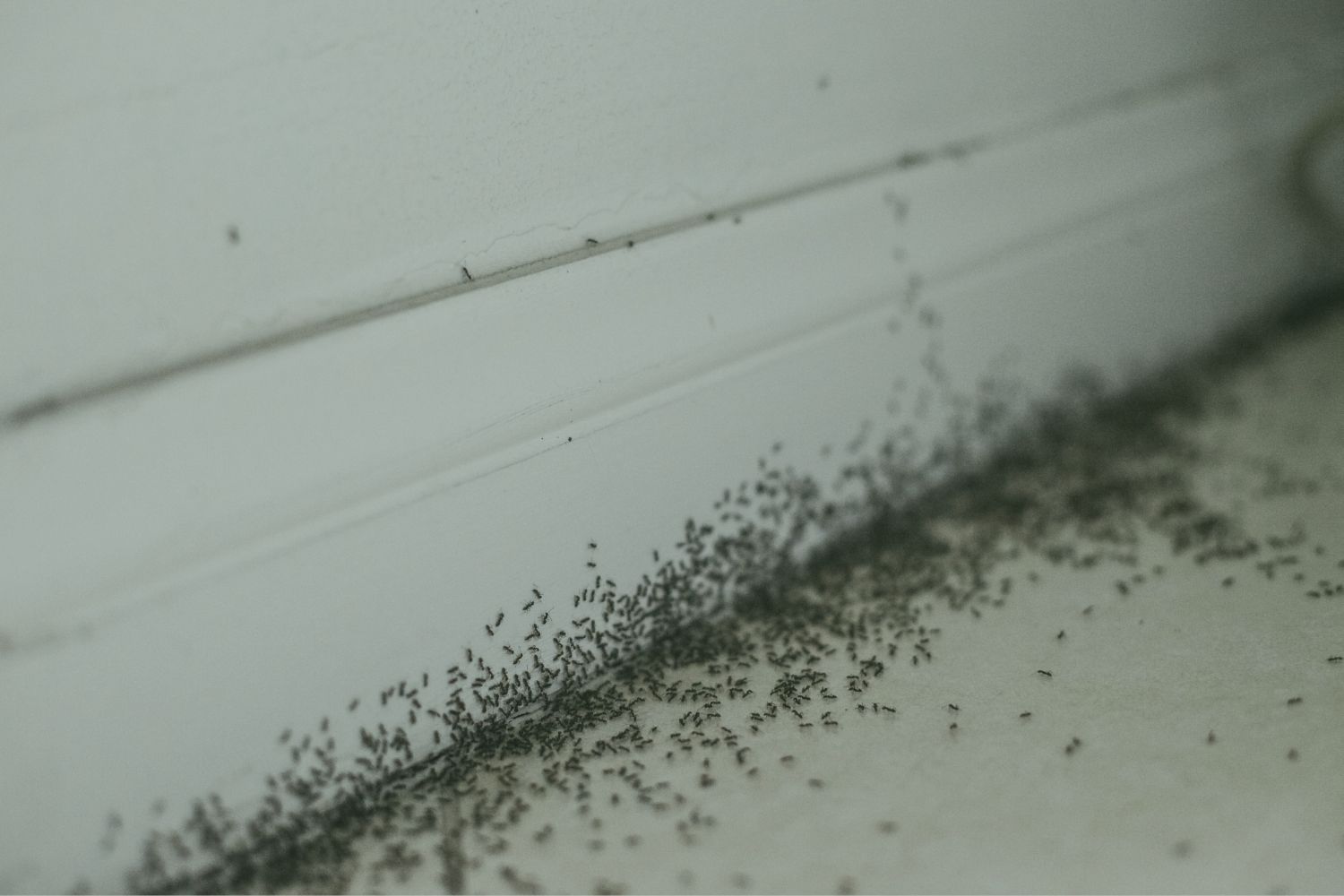
This debris is pushed out of small cracks or holes. Frass consists of wood shavings mixed with dead insects and other debris from the colony. In homes in Lacey or Tumwater, we often find these piles under baseboards or inside walls.
If a colony is large enough, you can actually hear them. Carpenter ants communicate by vibrating their bodies. In a quiet room in Shelton or Olympia, you may hear a faint rustling or clicking sound inside the walls at night. This is a clear indicator that ants are active within the wall voids.
Finding large winged ants indoors, especially during the spring, is a major sign of a mature nest inside. These swarmers are the reproductive members of the same colony. Their only job is to fly out and start a new colony. If you see these wings on your window sills, it means the infestation is well-established.

A mature carpenter ant colony can contain 2,000 to 10,000 individuals. They undergo complete development, which includes four stages: egg, larva, pupa, and adult. The queen is the only one that can lay eggs, which she does in early spring and late summer. This allows for two adult groups per year.
These pests often have a complex nesting system. The “parent” nest is usually located outdoors in moist logs, trees, or stumps. However, they establish satellite nests indoors to keep the larvae warm.
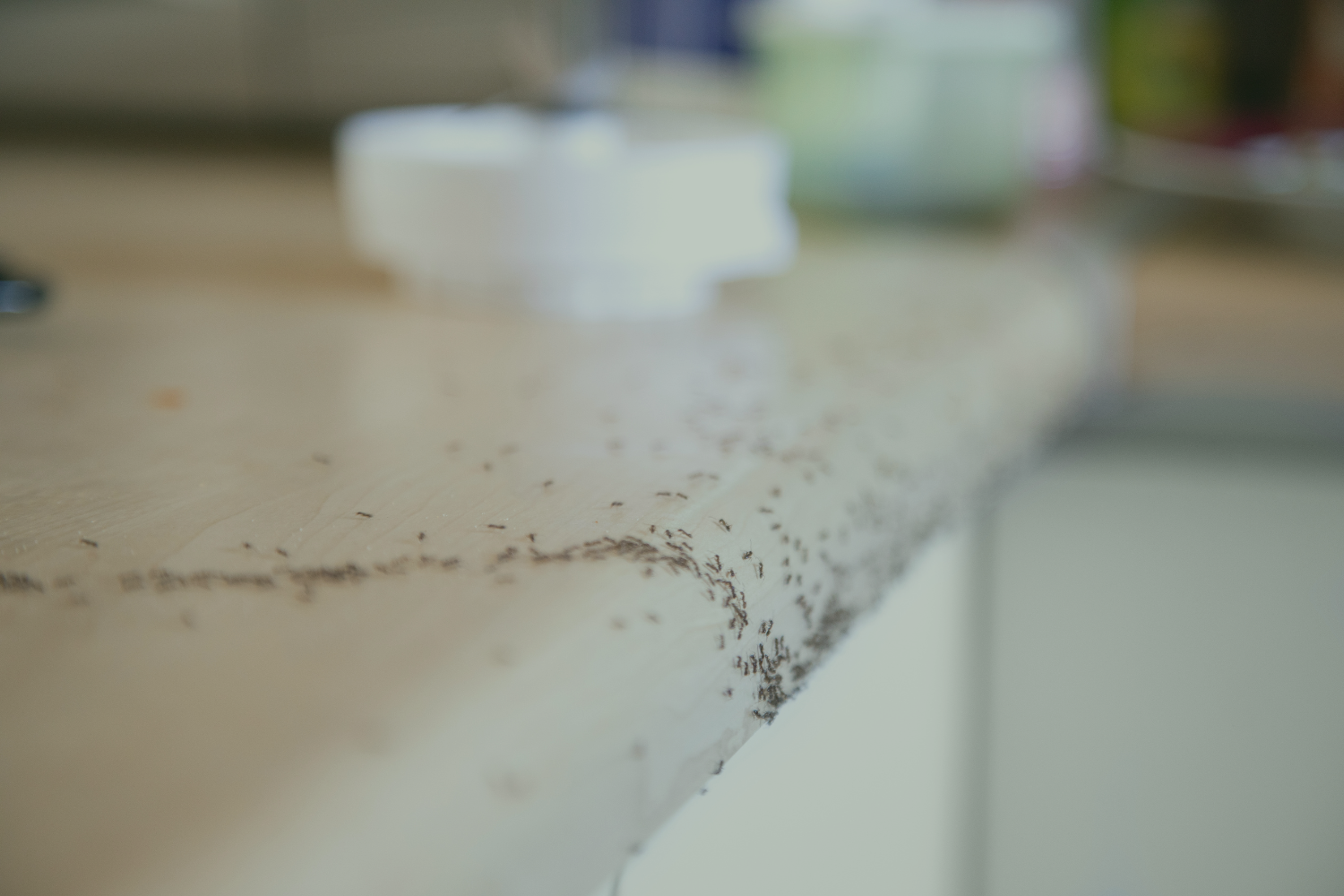
Finding ants foraging in your kitchen does not always mean the nest is inside, but finding them during the winter is a strong sign they are nesting in your walls or hollow doors.
Effective control requires locating and treating the parent nest directly, as treating only satellite nests may not prevent a reinfestation.
Ensure that tree branches are not touching your roof or siding. Ants use trees as highways to enter your structure. Keep firewood and old logs at least 20 feet away from your foundation. Also, make sure your crawl space has a proper vapor barrier to keep the ground moisture from reaching your floor joists.
The first step in control is to determine where the ants are nesting. Baiting the ants outdoors with honey mixed in water can help track their movement back to their nest, which could be as far as 300 feet away.
Inside the house, using baits containing boric acid is generally more effective than spraying. Baits allow worker ants to carry the control product back to the colony.
If ant activity continues after using baits, it may be necessary to have a pest control professional apply insecticidal dusts directly into the wall voids.
How do rodents impact a home’s structure?
While carpenter ants hollow out wood, mice and rats cause different structural issues by gnawing on electrical wiring, PVC pipes, and insulation. Effective rodent control involves identifying these nesting sites and sealing entry points to prevent long-term damage to your home’s internal systems.
Why do spiders frequently appear near ant infestations?
Spiders are natural predators that are often drawn to homes with active insect populations. If you notice an increase in webs, it may be because they have a steady food source like ants or flies. Integrated spider control focuses on reducing these prey insects to make your home less attractive to arachnids.
Can stinging insects cause damage to siding or eaves?
Certain species, such as carpenter bees or yellow jackets, can build nests within wall voids or under eaves, leading to exterior wear and safety hazards. Professional stinging insect control is the safest way to remove these nests and prevent them from compromising your home’s soffits and siding.
What attracts cockroaches to Pacific Northwest homes?
Like many wood-destroying pests, cockroaches are highly attracted to moisture and humidity. They often congregate in damp crawl spaces, under sinks, or near leaky appliances. Comprehensive cockroach control addresses these moisture issues while eliminating the colony at its source.
How do seasonal pests like stink bugs and fleas enter the house?
Stink bugs typically enter through small cracks in siding or windows during the fall, while fleas are often brought in by pets or local wildlife. Seasonal stink bug control and proactive flea control treatments create a perimeter barrier that stops these pests from migrating indoors.
What is the most effective way to prevent recurring ant issues?
Beyond treating active nests, long-term ant control requires eliminating pheromone trails and addressing the environmental factors like moisture and food waste that attract them. This is often more effective than “spot treating” visible insects.
If you have noticed hollow-sounding wood, seen large winged ants, or heard rustling in your walls, it is time to call a pest control professional. In severe cases, carpenter ant damage can lead to structural changes like sagging floors and sticking doors.
At BigFoot Pest Management, we go beyond basic spraying. We have the tools to track ant activity back to the parent nest. Whether you are in Shelton, Centralia, or downtown Olympia, we offer comprehensive inspections and effective control plans.
We focus on finding the source and helping you correct moisture problems to ensure the pests do not return.
Carpenter ant damage is a serious threat in the Pacific Northwest, but it is manageable when you know what to look for. By keeping an eye out for wood shavings, frass, and swarmers, you can catch an infestation before it causes significant damage. Remember that a dry home is your best defense against these wood-boring pests.
If you suspect you have ants or termites causing damage to your property, don’t wait for sagging floors to tell you there is a problem. At BigFoot Pest Management, we are proud to serve our neighbors in Olympia, Lacey, and throughout the South Sound.
Contact us today to schedule a professional evaluation and protect the structural integrity of your home for years to come.