
Honey Bee vs Yellow Jacket: Which One Is in Your Yard?


If you have noticed stinging insects flying around your yard in Olympia, you are not alone. As temperatures rise across Thurston County, activity increases around gardens, decks, crawl spaces, and rooflines. The big question many homeowners ask is simple: honey bees or yellow jackets?
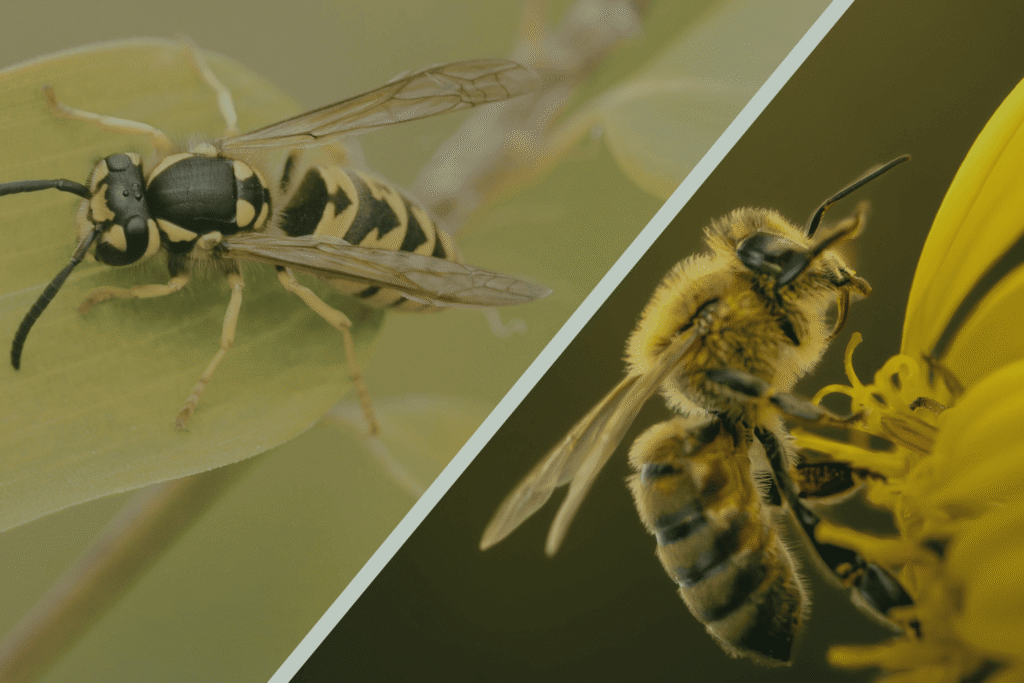
At first glance, they can look similar. But when comparing honey bee vs yellow jackets, the differences are important. One is a beneficial pollinator that supports our local ecosystem. The other can become aggressive and dangerous around homes.
Correct identification protects your family, your pets, and your property. It also ensures the right solution is used.
If you live in Olympia, Lacey, Tumwater, or nearby communities, here is what you need to know.
Why Does Honey Bee vs Yellow Jacket Identification Matter?
The difference between a honey bee vs yellow jacket is not just about appearance. It affects safety, legal considerations, and the type of treatment required.
Honey bees are essential pollinators. They support backyard gardens, local farms, and Washington’s agricultural system. In many cases, they should be relocated rather than exterminated.
Yellow jackets, however, are territorial predators. They defend their nests aggressively and can sting multiple times. When they nest in wall voids, underground burrows, or near entry points, they pose a serious risk.
Misidentifying the insect can lead to:
- Increased sting risk
- Improper DIY treatment
- Structural damage from untreated nests
- Recurring infestations
For Olympia homeowners, early and accurate identification is critical.
What Experts Say About Yellow Jacket Aggression
According to Washington State University Extension, yellow jackets are among the most commonly reported stinging insects in residential areas and are responsible for the majority of wasp-related sting incidents in late summer.
WSU notes that:
“Yellowjackets become increasingly aggressive in late summer and early fall as food sources decline. They are attracted to meats and sugary foods and will defend their nests vigorously if disturbed.”
This seasonal aggression explains why Olympia homeowners often experience more issues in August and September. As natural prey becomes scarce, yellow jackets shift toward human food sources. Backyard barbecues, uncovered trash bins, and fallen fruit become strong attractants.
In contrast, honey bees are primarily focused on nectar and pollen collection and are far less likely to display aggressive behavior unless their hive is directly threatened.
Understanding this seasonal behavior pattern helps explain why proper identification between honey bee vs yellow jackets is not just helpful but essential for safety.
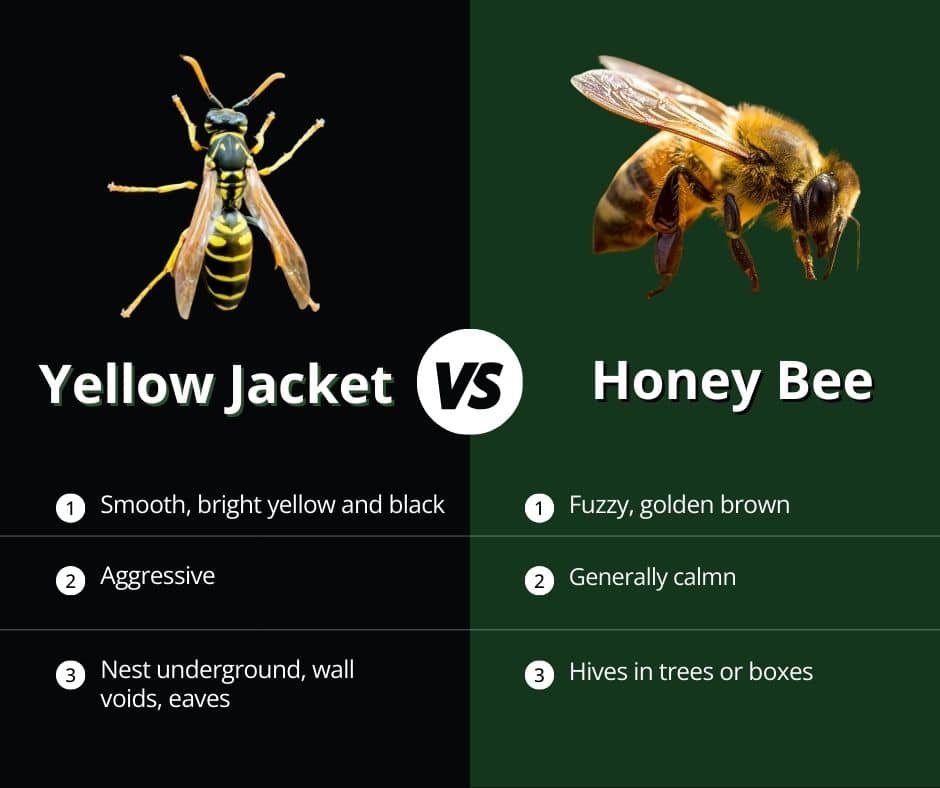
Honey Bee vs Yellow Jacket Quick Comparison
Here is a side by side breakdown to help you quickly spot the difference.
Feature |
Honey Bee |
Yellow Jacket |
|---|---|---|
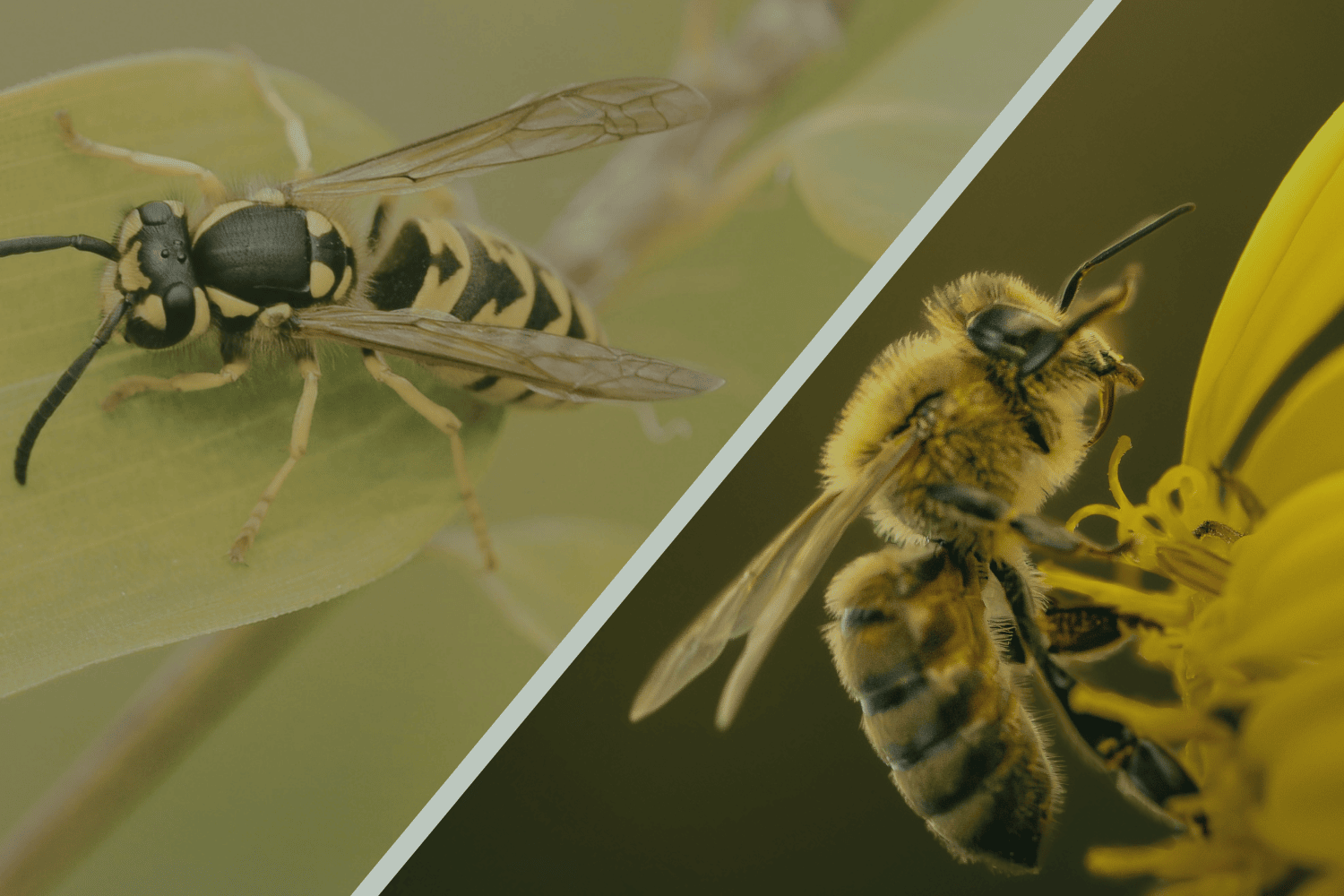
| Body | Fuzzy, golden brown | Smooth, bright yellow and black |
| Shape | Thicker, rounder | Slim with narrow waist |
| Temperament | Generally calm | Aggressive, especially late summer |
| Nest Location | Hives in trees or boxes | Underground, wall voids, eaves |
| Diet | Nectar and pollen | Sweets, meat, garbage |
| Sting | One time only | Can sting multiple times |
What Does a Honey Bee Look Like?
Honey bees have a soft, fuzzy appearance. Their bodies are golden brown with muted yellow stripes. They look thicker and rounder compared to wasps.
Key identifying features of honey bees:
- Fuzzy thorax and abdomen
- Rounded body shape
- Muted yellow and brown coloring
- Pollen sacs visible on back legs
- Slower, steady flight pattern
If you see insects moving calmly from flower to flower in your yard, you are likely observing honey bees.
In neighborhoods around Olympia with fruit trees, vegetable gardens, and flowering landscaping, honey bees are common. They are typically not aggressive unless their hive is directly disturbed.
Important behavior note: Honey bees can only sting once. After stinging, they die. Because of this, they avoid stinging unless defending their hive.
What Does a Yellow Jacket Look Like?
Yellow jackets are a type of wasp. They are smooth and shiny, with bold yellow and black stripes. Their bodies are slimmer and more defined at the waist.
Key identifying features of yellow jackets:
- Smooth, hairless body
- Bright yellow and black pattern
- Narrow waist
- Fast, darting flight
- Aggressive behavior around food
In the Olympia area, yellow jackets become especially noticeable in late summer and early fall. As natural food sources decrease, they shift toward human food.
You may see them:
- Hovering around outdoor meals
- Crawling into soda cans
- Swarming garbage bins
- Flying in and out of small ground holes
- Unlike honey bees, yellow jackets can sting repeatedly. They also release a chemical signal when they sting, which can attract other yellow jackets to attack.
Where Do Honey Bees Build Nests
Honey bees build wax comb hives. These hives can be found in:
- Hollow trees
- Bee boxes maintained by beekeepers
- Chimneys
- Wall cavities
- Attic spaces
In Western Washington, honey bee swarms are common in spring. A swarm looks dramatic, with hundreds of bees clustered together, but it is usually temporary. Swarms are typically searching for a new hive location and are less aggressive during this stage.
If honey bees establish a hive inside a wall, it must be addressed carefully. Over time, honey accumulation can cause:
- Interior wall damage
- Sticky residue seepage
- Attraction of ants and rodents
- Mold growth
Professional assessment ensures the hive is handled properly and prevents secondary pest problems.
Where Do Yellow Jackets Build Nests
Yellow jackets build paper-like nests made from chewed wood fibers. In Olympia and the surrounding areas, they commonly nest:
- Underground in old rodent burrows
- Beneath decks
- Inside wall voids
- Under the roof eaves
- In sheds or crawl spaces
Underground nests are especially dangerous. Homeowners may not notice them until someone accidentally steps near the entrance while mowing or gardening.
Colonies can contain hundreds or even thousands of workers by late summer.
Which One Is More Aggressive
When comparing honey bee vs yellow jacket, yellow jackets are significantly more aggressive.
Honey bees typically sting only when their hive is directly threatened.
Yellow jackets will sting:
- When you walk near their nest
- When you mow over an underground colony
- When you disturb the siding or eaves
- When they feel territorial
They also sting multiple times. This increases risk for children, pets, and individuals with allergies.
In residential neighborhoods across Olympia and Lacey, yellow jacket nests near patios, playsets, and driveways are common sources of emergency service calls.
Seasonal Behavior in the Olympia Area
Understanding seasonal patterns helps with identification and prevention.
- Spring: Honey bees begin foraging actively. Yellow jacket queens emerge and start building new nests.
- Summer: Both species are active. Yellow jacket colonies grow rapidly as worker populations expand.
- Late Summer and Early Fall: Yellow jackets become more aggressive and shift toward sugary human food sources. This is peak nuisance season in Thurston County.
- Winter: Honey bees remain inside their hive and cluster for warmth. Most worker yellow jackets die off after the first hard frost, but fertilized queens overwinter and start new colonies the following spring.
Why DIY Removal Is Risky
Many homeowners attempt to spray nests at night or block nest entrances. This often makes the situation worse.
Risks of DIY removal include:
- Multiple painful stings
- Incomplete nest elimination
- Hidden secondary nest locations
- Structural damage
- Increased insect aggression
Underground yellow jacket nests are especially dangerous because the colony size is not visible from the surface.
Professional stinging insect control ensures safe, thorough treatment.
How Bigfoot Pest Management Handles Stinging Insects
At Bigfoot Pest Management, proper identification is always the first step. Treating honey bees and yellow jackets requires different strategies.
Services include:
- Accurate species identification
- Targeted treatment plans
- Safe nest removal
- Preventative recommendations
Follow up as needed
Because Bigfoot serves Olympia, Lacey, Tumwater, and surrounding communities, technicians understand local pest behavior and seasonal activity patterns.
In addition to stinging insect control, Bigfoot Pest Management provides comprehensive pest control services, including:
- Ant control
- Rodent control
- Spider treatments
- General pest management
- Ongoing maintenance programs
This integrated approach protects your home year-round and reduces the chance of recurring pest issues.
Other Recommended Questions
Are honey bees protected in Washington?
In many cases, honey bees are protected due to their environmental importance. Removal often involves relocation rather than extermination. A professional evaluation ensures compliance and safety.
Can yellow jackets damage my home?
Yes. Nests inside walls can lead to structural deterioration. Abandoned nests can also attract rodents, ants, and other pests.
How can I prevent yellow jackets in my yard?
Prevention steps include:
- Sealing cracks and gaps in siding
- Keeping garbage tightly sealed
- Cleaning up fallen fruit
- Reducing standing water
- Scheduling preventative pest control services
Do yellow jackets return to the same nest each year?
No. Colonies die off in winter, but new queens may establish nests nearby the following spring.
What attracts honey bees to my property?
Flowering plants, fruit trees, vegetable gardens, and water sources attract honey bees. While beneficial, hives inside structures require professional attention.
When to Call a Professional
Contact a professional if:
- You see heavy insect traffic entering a wall or ground hole
- The nest is near a high traffic area
- Someone in your household has a sting allergy
- You are unsure whether it is honey bee vs yellow jacket
- Early treatment reduces colony size and lowers risk.
Conclusion
Understanding the difference between honey bee vs yellow jacket helps Olympia homeowners make safe and informed decisions. While honey bees play a vital role in our ecosystem, yellow jackets can create hazardous conditions around residential properties.
Correct identification leads to correct treatment.
If you notice stinging insect activity around your Olympia home, Bigfoot Pest Management is ready to help. Their experienced team provides safe, effective stinging insect control along with comprehensive pest management services tailored to Washington homes.
Do not take chances with aggressive nests. Schedule a professional inspection and protect your home and family.

Where Carpet Beetles Come From and How to Stop Them
If you have noticed tiny beetles near your windowsills or found mysterious holes in your wool sweaters, you might be dealing with carpet beetles. These…
Honey Bee vs Yellow Jacket: Which One Is in Your Yard?
If you have noticed stinging insects flying around your yard in Olympia, you are not alone. As temperatures rise across Thurston County, activity increases around…