

Do Possums Carry Rabies? Here’s What to Know


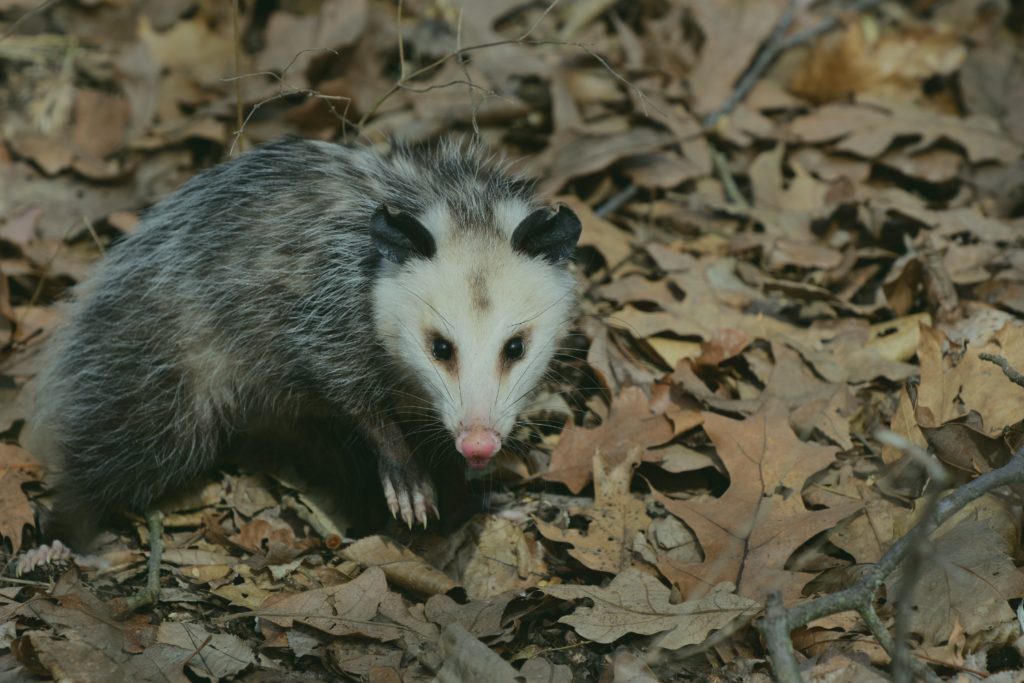
Seeing a possum in your yard can be unsettling. Many homeowners worry right away about rabies, especially if the animal is acting strangely or showing up during the day.
This concern is understandable. Rabies is a serious disease, and wildlife encounters near homes raise valid safety questions.
The good news is that not all wild animals or rodents pose the same level of rabies risk.
Some animals are common carriers, while others are rarely affected. Knowing the difference helps you protect your family, pets, and property without unnecessary panic.
In this guide, we will answer the question do possums carry rabies, clear up common myths, and explain which animals are more likely to spread rabies around homes. We will also cover what to do if you see wildlife behaving oddly and when professional help makes sense.
Do Possums Carry Rabies?
In nearly all cases, no. Possums are extremely unlikely to carry rabies, and confirmed cases are very rare.
According to the Centers for Disease Control and Prevention, possums account for a very small number of reported rabies cases in the United States. One major reason is their naturally low body temperature.
The rabies virus does not survive well in possums compared to other mammals.
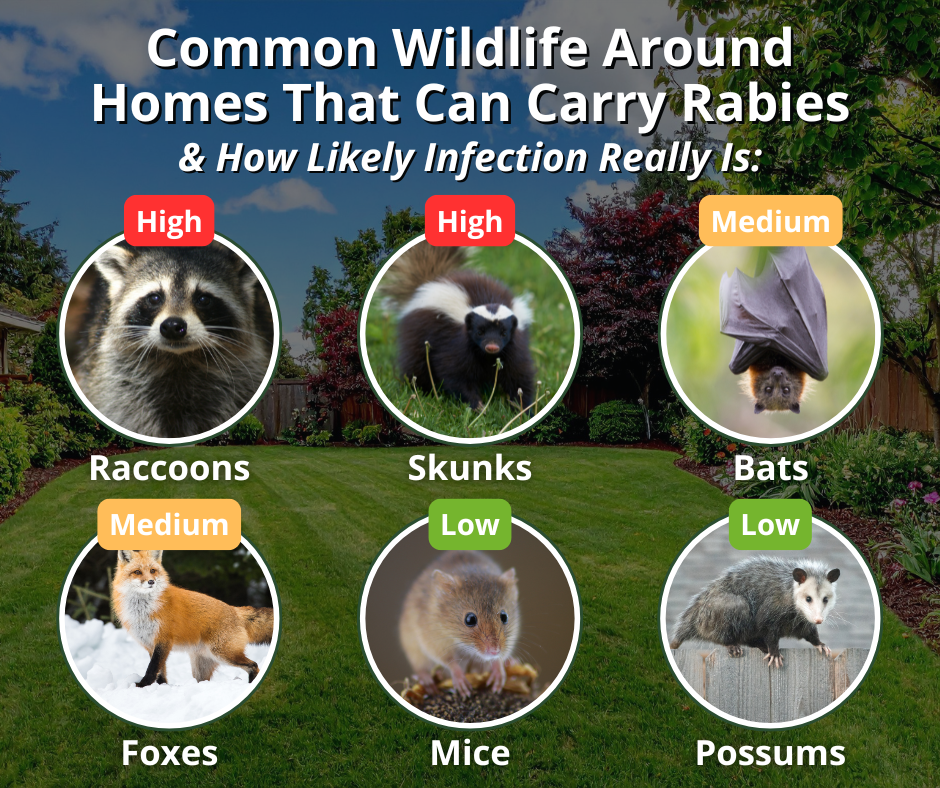
This means that while possums are wild animals, they are not considered a significant rabies threat. Most rabies cases reported near homes involve other species such as raccoons, skunks, bats, and foxes.
That said, possums should still be treated with caution. Any wild animal can bite or scratch if it feels threatened.
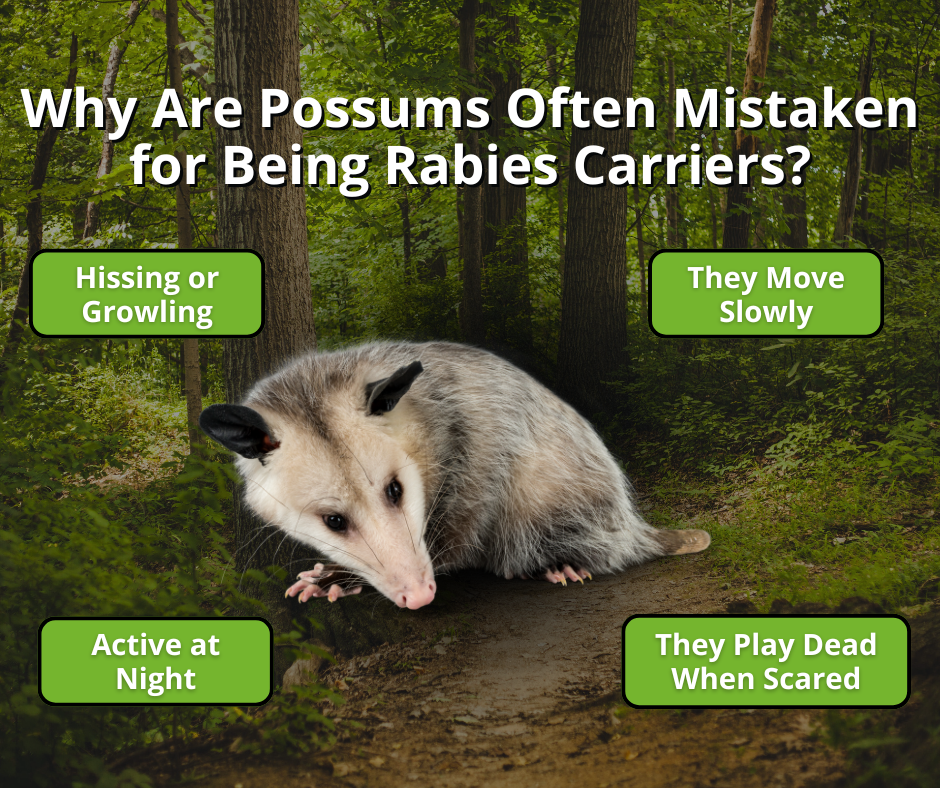
Why Are They Often Mistaken for Rabies Carriers?
Possums often behave in ways that look concerning to people who are not familiar with wildlife behavior. These behaviors are usually defensive, not signs of disease.
Common possum behaviors that confuse include:
- Hissing or growling when cornered
- Showing teeth as a warning
- Moving slowly or appearing unsteady
- Playing dead when frightened
- Being active at night or early morning
Playing dead is one of the most misunderstood behaviors. This response is involuntary and happens when a possum is scared. It can look alarming, but it does not mean the animal is sick.
Because possums often search for food in trash cans or yards, they are frequently seen near homes. This proximity increases fear, even when the rabies risk is very low.
Can Possums Still Pose Risks Around Your Home?
Even though rabies is unlikely, possums can still cause problems if they settle near your home.
Possums may:
- Nest under decks, porches, or sheds
- Enter crawl spaces or attics
- Damage insulation or ductwork
- Knock over trash cans and scatter debris
- Carry fleas, ticks, and mites
They can also attract other wildlife by leaving food scraps behind. Over time, this can lead to larger pest issues.
Possums may also scare pets or trigger defensive encounters if animals cross paths. While they are not aggressive by nature, they will defend themselves if threatened.
What Animals Most Commonly Carry Rabies Near Homes?
Some wildlife species are much more likely to carry rabies and interact with residential areas.
Do Raccoons Carry Rabies?
Raccoons are one of the most common rabies carriers in the United States. They adapt well to neighborhoods and often enter attics, chimneys, and crawl spaces.
Raccoons showing aggression, confusion, or daytime activity should be treated as a serious concern.
Do Skunks Carry Rabies?
Skunks are also high-risk rabies carriers. Homeowners sometimes approach skunks too closely because they appear calm or slow-moving.
Skunks wandering during the day or acting aggressively can pose a real danger.
Do Bats Carry Rabies?
Bats carry rabies at lower overall rates, but they are still a concern because bites can be small and hard to detect. Any bat found inside a home should be treated carefully.
This is especially important if the bat was found in a bedroom or near sleeping individuals.
Do Foxes and Coyotes Carry Rabies?
Foxes and coyotes can carry rabies, particularly in rural or suburban areas near wooded land. Daytime sightings or fearless behavior are warning signs.
Do Rodents Carry Rabies?
Rats and mice rarely carry rabies. Small rodents are not typical rabies hosts, and documented cases are extremely rare.
However, rodents can still spread other diseases, such as:
- Hantavirus
- Salmonella
- Leptospirosis
They also contaminate food, chew wiring, and damage insulation. While rabies is not a concern with rodents, infestations should still be handled quickly.
Rabies Risk from Common Animals
Rabies can be transmitted through bites or scratches from infected wildlife and domestic animals. Understanding which animals commonly carry rabies helps homeowners take proper precautions and avoid potential exposure.
|
Animal |
Rabies Risk Level |
Common Home Exposure |
|
Possums |
Very low |
Yards, crawl spaces |
|
Raccoons |
High |
Attics, trash areas |
|
Skunks |
High |
Lawns, under decks |
|
Bats |
Moderate |
Attics, interiors |
|
Foxes |
Moderate |
Yards, wooded edges |
|
Rats and mice |
Extremely rare |
Indoors, garages |
How Rabies Is Transmitted and What Actually Causes Exposure
Rabies spreads through saliva from an infected animal. This usually happens through a bite. In rare cases, saliva entering an open wound or mucous membrane can cause exposure.
Rabies is not spread by:
- Seeing a possum in your yard
- Walking near wildlife
- Touching animal fur
Most exposures happen when people try to handle or remove wild animals on their own.
Signs An Animal May Have Rabies
Rabies symptoms can vary, but common warning signs include:
- Sudden aggression
- Trouble walking or paralysis
- Excessive drooling or foaming
- Disorientation or confusion
- Unusual sounds or vocal behavior
- Activity during unusual hours
No single sign confirms rabies. Multiple symptoms together are more concerning.
What To Do If You See a Possum or Wild Animal Acting Strangely?
If you see a possum or other wildlife behaving oddly:
1. Keep Your Distance
Avoid approaching the animal, even if it appears injured or calm. Wild animals can act unpredictably and may bite or scratch if they feel threatened.
2. Keep Pets and Children Indoors
Pets and children are especially vulnerable to bites or scratches. Keeping them inside reduces the risk of direct contact and potential exposure to disease.
3. Do Not Attempt to Touch or Trap the Animal
Handling wildlife without proper training or equipment can lead to serious injury. Trapping or touching the animal may also increase stress and aggressive behavior.
4. Secure Food Sources and Trash
Remove attractants such as pet food, unsecured garbage, or fallen fruit. This helps discourage the animal from lingering near your home.
5. Contact a Professional for Guidance
Reach out to animal control, wildlife professionals, or local authorities for proper assistance. They are trained to handle wildlife safely and humanely.
Trying to handle wildlife is one of the most common causes of injury.
How Professional Wildlife Control Protects Your Home
Professional wildlife control focuses on safe removal and long-term prevention.
Services may include:
- Humane animal removal
- Identifying entry points
- Sealing gaps and openings
- Reducing attractants
- Preventing repeat infestations
This approach protects both people and animals while reducing future risk.
How to Keep Possums and Wildlife Away from Your Home
Simple prevention steps can make a big difference:
- Secure trash cans
- Remove outdoor pet food
- Clean up fallen fruit and bird seed
- Seal crawl spaces and foundation gaps
- Trim branches away from roofs
- Reduce clutter near the home
If wildlife activity continues, professional exclusion may be needed.
Related Questions
Do possums attack homeowners?
Possums rarely attack homeowners. They are generally shy animals that try to avoid people whenever possible. When a possum hisses or shows its teeth, it is usually a defensive response meant to scare threats away.
Can pets get rabies from possums?
The risk of pets getting rabies from possums and other rodents is extremely low. Possums rarely carry rabies, and transmission between possums and pets is uncommon. Even so, pets should always be kept up to date on rabies vaccinations and prevented from interacting with wildlife to reduce injury or exposure risks.
What attracts possums to yards and homes?
Possums are attracted to easy food sources and sheltered areas. Common attractants in Washington state include unsecured trash cans, pet food left outdoors, fallen fruit, bird feeders, and accessible crawl spaces or sheds. Removing these attractants can significantly reduce possum activity around a property.
Should I remove a possum myself?
Removing a possum yourself is not recommended. Wild animals can bite or scratch when stressed, even if they appear calm. In some areas, wildlife removal is regulated, and improper handling may be illegal. Professional removal helps reduce injury risk and ensures humane treatment.
Conclusion
So, do possums carry rabies? In almost every case, no. Possums are one of the least likely wildlife carriers of rabies. Still, they can create other problems when they live too close to your home.
Understanding real risks helps you respond calmly and safely. It also helps you know when professional support is the right step.
If you are dealing with possums or other wildlife on your property, Bigfoot Pest Management can help evaluate the situation and recommend safe, effective solutions.

Where Carpet Beetles Come From and How to Stop Them
If you have noticed tiny beetles near your windowsills or found mysterious holes in your wool sweaters, you might be dealing with carpet beetles. These…
Honey Bee vs Yellow Jacket: Which One Is in Your Yard?
If you have noticed stinging insects flying around your yard in Olympia, you are not alone. As temperatures rise across Thurston County, activity increases around…