Are Daddy Long Legs Poisonous?
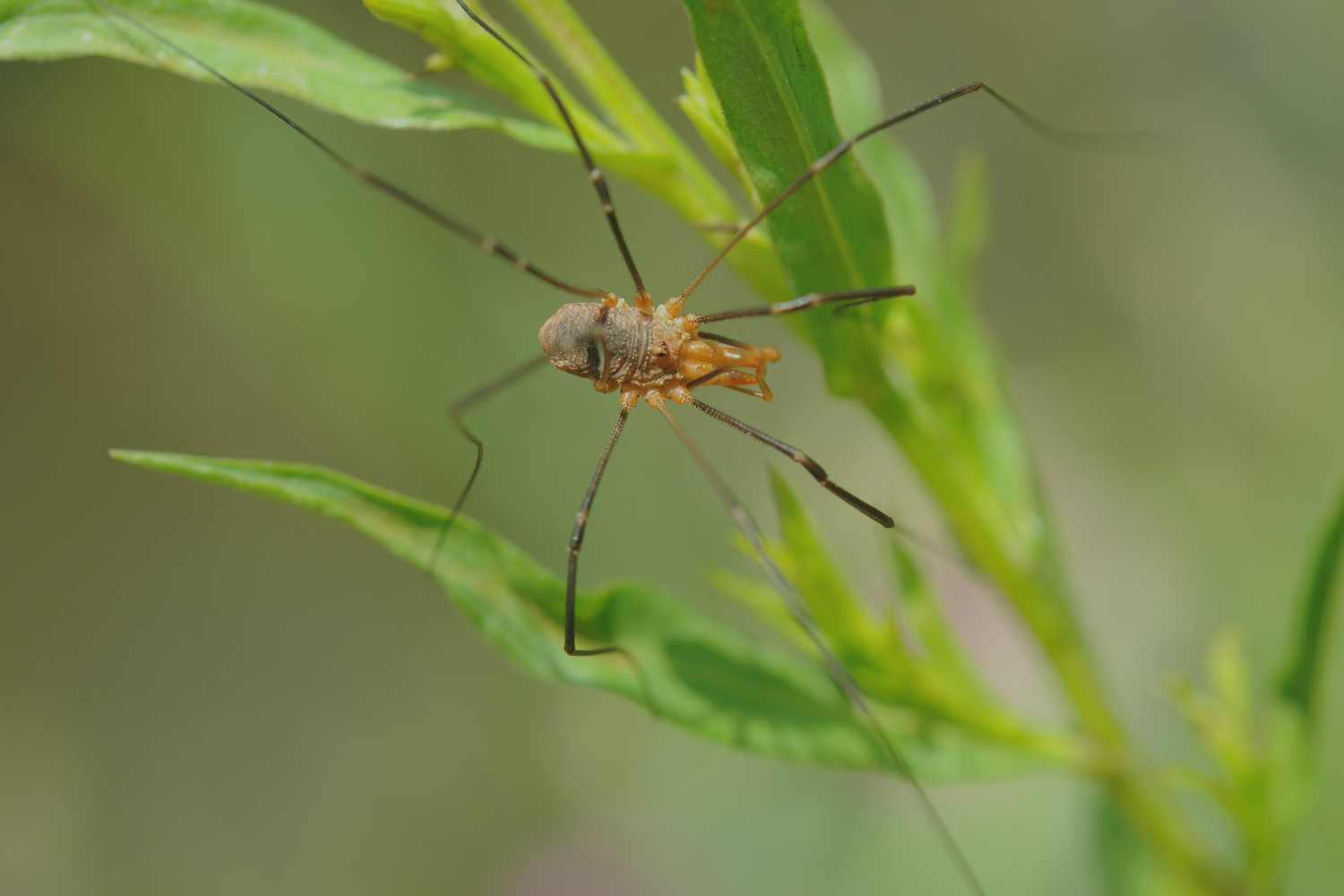
Daddy long-legs are not poisonous. That is the short answer, and it is one of…
ElliottMay 26, 2026

If you have noticed tiny beetles near your windowsills or found mysterious holes in your wool sweaters, you might be dealing with carpet beetles. These small pests are common throughout the Olympia area and across Thurston County, and they often go unnoticed until damage has already started.
Carpet beetles come from outdoors, where adults feed on pollen from flowers in gardens and landscaping. Once indoors, female beetles lay eggs near food sources, and the larvae cause real damage by feeding on natural fibers and organic materials.
Understanding where carpet beetles come from is the first step toward protecting your home and belongings. In this guide, we will cover everything you need to know about these fabric-destroying pests, including how they get inside, what attracts them, the signs of an infestation, and the best ways to prevent and eliminate them.
Carpet beetles are small, oval-shaped insects belonging to the family Dermestidae. Despite their name, they do not just infest carpets. These pests feed on a wide variety of natural materials, making them a threat to clothing, furniture, stored goods, and more.
Adult carpet beetles are tiny, measuring only about 1/16 to 1/8 inch long. Depending on the species, they may appear solid black or display a mottled pattern of white, brown, yellow, and orange scales. Their rounded bodies and short antennae give them a shape somewhat similar to a ladybug, though they are much smaller.
The real damage comes from carpet beetle larvae, not the adults. Larvae are slightly longer than adults, typically around 1/8 to 1/4 inch, and they have a distinctive fuzzy or bristly appearance due to the dense hairs covering their bodies. These larvae are the ones chewing through your belongings, while adult beetles spend most of their time outdoors feeding on flower pollen.
Four carpet beetle species are most frequently found in homes across the Pacific Northwest and the United States:
| Species | Adult Appearance |
Varied Carpet Beetle | Pattern of white, brown, and yellow scales |
Black Carpet Beetle | Solid black or dark brown, oval shape |
Furniture Carpet Beetle | Black with white, yellow, and orange scales |
Common Carpet Beetle | Gray to black with reddish-orange band |
The varied carpet beetle is the most common species found in homes throughout the Olympia, Lacey, and Tumwater areas. These beetles thrive in the Pacific Northwest climate and are particularly abundant in spring and early summer when adults emerge to mate and feed on flowering plants.
Carpet beetles originate outdoors, where they are actually beneficial insects that help break down animal remains, feathers, and other organic debris in nature. Problems begin when they find their way inside your home.
Adult carpet beetles spend most of their lives outside, feeding on the pollen and nectar of flowering plants. They are especially attracted to white and cream-colored flowers, including spiraea, Queen Anne’s lace, daisies, buckwheat, and crape myrtle. If you have these plants in your landscaping around your Olympia home, adult carpet beetles may be living just feet from your front door.
Carpet beetles are also commonly found in outdoor locations such as bird nests, rodent nests, wasp nests, and areas where animal carcasses or dead insects have accumulated. These natural environments provide the organic materials that carpet beetle larvae need to survive and develop.
Adult carpet beetles can enter your home through several pathways:
Once carpet beetles find their way inside, certain conditions make your home more attractive to them. Understanding these factors can help you reduce the risk of infestation.
Carpet beetle larvae feed on materials containing keratin, a protein found in animal-based products. Their preferred food sources include:
Unlike what many people assume, carpet beetles can also feed on plant-based materials in certain situations. They may infest dried pet food, birdseed, cereals, spices, and stored grains, especially if these items are left undisturbed for long periods.
Textiles that are soiled with food stains, body oils, or perspiration are especially attractive to carpet beetles. The organic residue on dirty clothing or linens provides additional nutrients that draw larvae to these items.
Carpet beetles prefer dark, undisturbed areas where they can feed and develop without interruption. Common hotspots inside homes include:
The Pacific Northwest climate, with its mild temperatures and higher humidity, creates favorable conditions for carpet beetles to thrive. Homes in Olympia, Lacey, Tumwater, and surrounding areas may see increased carpet beetle activity because our region provides comfortable conditions for these pests year-round.
Understanding the carpet beetle life cycle helps explain why these pests can be so difficult to eliminate. Carpet beetles undergo complete metamorphosis, passing through four distinct stages: egg, larva, pupa, and adult.
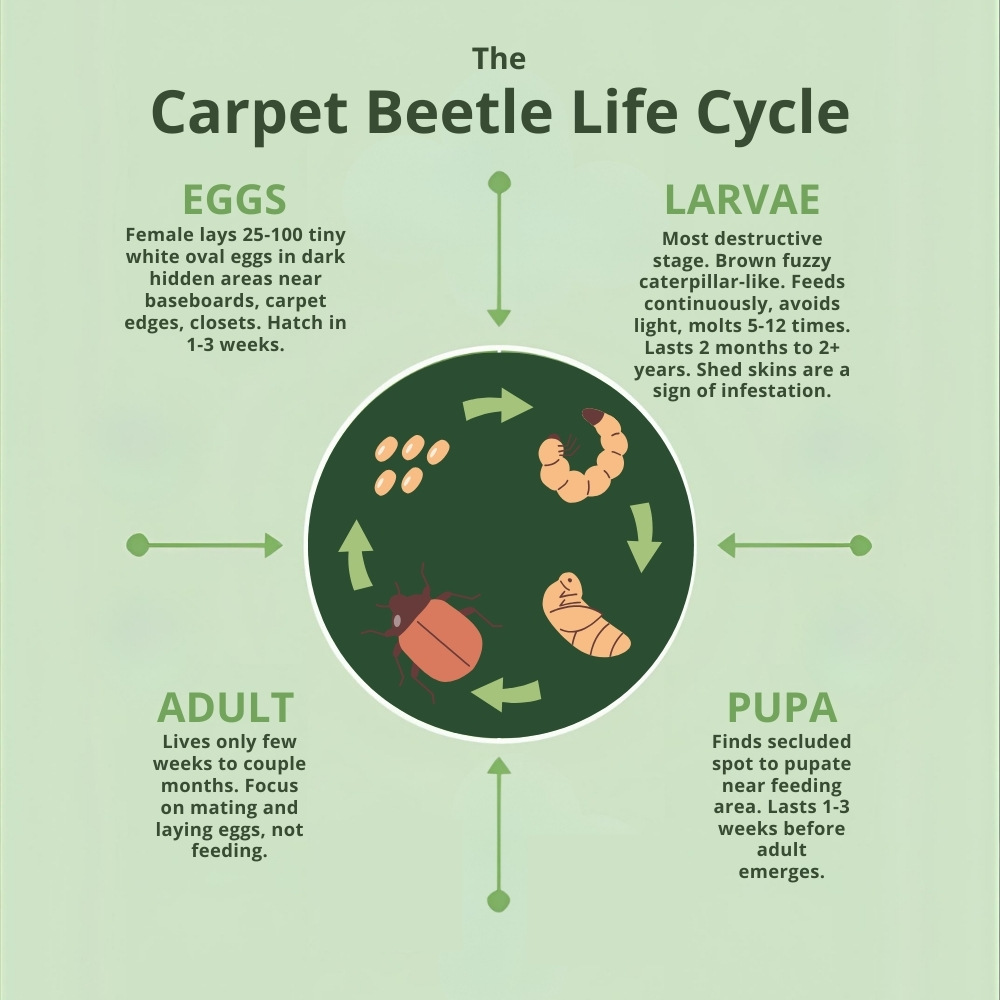
Female carpet beetles lay between 25 and 100 eggs at a time, depositing them in dark, hidden locations close to food sources. Common egg-laying sites include lint accumulations near baseboards, carpet edges, air ducts, closet corners, and cracks in flooring. The eggs are tiny, white, and oval-shaped, making them nearly impossible to spot without close inspection.
Under typical indoor conditions, eggs hatch in about one to three weeks. Warmer temperatures speed up this process, while cooler conditions slow it down.
The larval stage is when carpet beetles cause all of their damage. After hatching, larvae immediately begin searching for food and will feed continuously as they grow. Carpet beetle larvae are slow-moving and avoid light, preferring to stay hidden in dark areas where they can feed undisturbed.
Larvae molt multiple times as they develop, shedding their skins anywhere from five to twelve times, depending on the species and environmental conditions. These shed skins are one of the key signs of a carpet beetle infestation.
The larval stage can last anywhere from two months to over two years, depending on the species, temperature, humidity, and availability of food. In heated homes where conditions remain stable, larvae may complete their development more quickly. However, if food is scarce or temperatures are cool, they can survive for extended periods in a dormant state.
When larvae are fully developed, they find a secluded spot to pupate. This usually occurs near their feeding area or within the last larval skin if no other shelter is available. The pupal stage typically lasts one to three weeks before adult beetles emerge.
Adult carpet beetles live for only a few weeks to a couple of months. During this time, they focus on mating and laying eggs rather than feeding on household materials. Adults are attracted to light and often appear near windows, which is why homeowners frequently spot them on windowsills in spring.
Finding adult beetles near your windows is often the first visible sign of an infestation. However, by the time you see adults, the larvae may have already been feeding in your home for weeks or months.
Catching a carpet beetle infestation early can save you from significant damage to your belongings. Watch for these warning signs throughout your home.
The most obvious sign of carpet beetles is damage to fabrics and textiles. Unlike clothes moths, which create small, scattered holes, carpet beetle larvae tend to create larger, irregular bare patches or threadbare areas where fibers have been chewed away. Look for:
Damage often appears in areas that are dark and undisturbed, such as under beds, behind dressers, along carpet edges near walls, and in the back corners of closets.
As carpet beetle larvae grow, they shed their skins multiple times. These cast skins are light brown, bristly, and shell-like in appearance. Finding clusters of these tiny, fuzzy husks is a strong indicator of active larvae nearby.
Look for shed skins in:
Carpet beetle larvae leave behind small fecal pellets, roughly the size of a grain of salt, that are typically brown or black. These droppings may be found near damaged items or caught in carpet fibers where larvae have been feeding.
Adult carpet beetles are often found near windows and light sources, especially in spring and early summer. They may appear on windowsills, curtains, or walls as they try to escape outdoors to mate and feed on pollen. Spotting adult beetles inside your home suggests that larvae are likely developing somewhere nearby.
Some people experience allergic reactions to carpet beetle larvae. The tiny, bristly hairs covering the larvae can cause skin irritation, rashes, or welts that may be mistaken for insect bites. If you are noticing unexplained skin reactions along with any of the other signs listed above, carpet beetles could be the cause.
Prevention is the most effective approach to carpet beetle control. By making your home less attractive to these pests, you can significantly reduce your risk of infestation.
Frequent, thorough cleaning removes the food sources carpet beetles need to survive. Focus on these key practices:
How you store clothing and textiles makes a big difference in preventing carpet beetle damage:
Reducing access points makes it harder for carpet beetles to get inside:
Since adult carpet beetles come from outside, reducing outdoor populations near your home can help:
If you already have carpet beetles in your home, taking prompt action can limit the damage and eliminate the infestation.
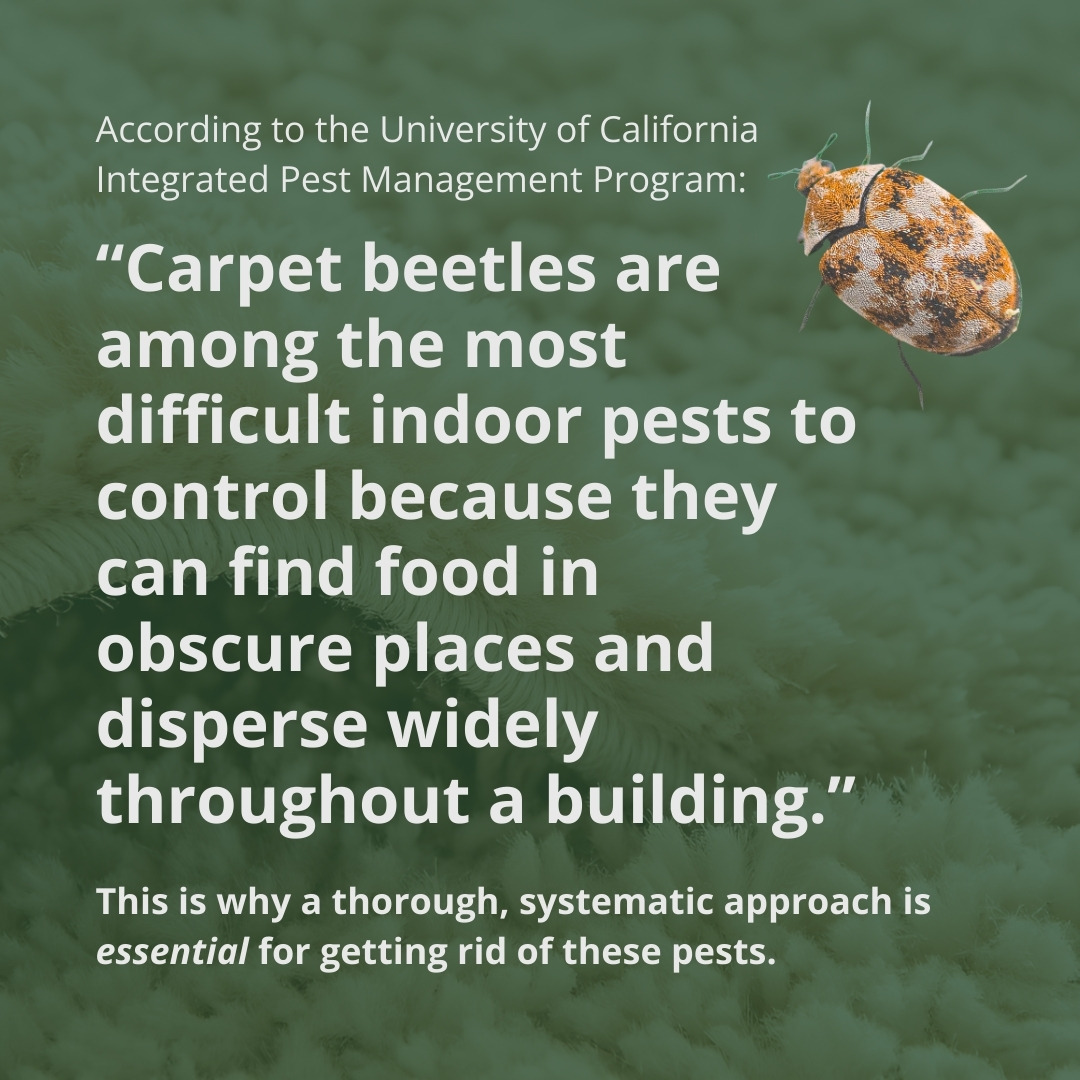
The most important step in eliminating carpet beetles is locating where they are breeding and feeding. This can be challenging because larvae prefer dark, hidden areas. Inspect the following locations carefully:
Look for larvae, shed skins, fecal pellets, and damaged materials. The presence of shed skins in a particular area indicates larvae have been feeding there.
Once you identify infested areas, thorough cleaning is essential:
For persistent infestations, additional treatment may be necessary:
After treating an infestation, continued vigilance is important:
Carpet beetles do not bite, but their larvae have bristly hairs that cause skin irritation and rashes in some people. Fleas, on the other hand, do bite and leave itchy red welts, usually around the ankles and lower legs. If you have pets and notice bites concentrated on your lower body, fleas may be the culprit. Both pests hide in carpets and soft furnishings, but fleas jump and carpet beetles crawl. Knowing which pest you are dealing with determines the right treatment approach.
Yes. Rodent nests provide ideal breeding grounds for carpet beetles because they contain hair, dander, food scraps, and other organic debris that larvae feed on. If mice or rats have nested in your attic, walls, or crawl spaces, carpet beetles may move in after the rodents are gone or while the nest is still active. Old nests left behind after a rodent problem can continue attracting carpet beetles for months. Addressing rodent issues and removing nesting materials is an important part of preventing secondary pest problems.
Carpet beetle larvae are scavengers that feed on a wide range of organic materials, including dead insects. Accumulations of cluster flies, stink bugs, lady beetles, wasps, and spiders in attics, window frames, basements, or light fixtures can sustain carpet beetle populations. If you notice large numbers of dead insects collecting in your home seasonally, cleaning these areas regularly helps eliminate a hidden food source that carpet beetles rely on.
Carpet beetles themselves do not require high moisture levels, but damp conditions in crawl spaces, basements, and attics can attract other pests that carpet beetles feed on. Moisture also contributes to mold growth on fabrics, which makes those materials more appealing to larvae. Homes in the Pacific Northwest often deal with excess moisture due to our rainy climate, so controlling humidity and addressing water intrusion helps reduce conditions that support multiple pest problems.
Many household pests are drawn to the same conditions: dark, undisturbed spaces with access to food sources. Carpet beetles, fleas, spiders, and rodents often overlap in areas like closets, attics, basements, and underneath furniture. If you are finding multiple types of pests in your home, it usually points to underlying conditions that need to be addressed, such as clutter, poor ventilation, gaps in your home’s exterior, or accumulated organic debris. A comprehensive pest prevention approach that targets entry points and reduces attractants is more effective than treating one pest at a time.
While many minor carpet beetle problems can be handled with thorough cleaning and preventive measures, some situations call for professional pest control:
At Bigfoot Pest Management, we understand the frustration carpet beetles cause for homeowners throughout Olympia, Lacey, Tumwater, Yelm, and the surrounding South Sound communities. Our trained technicians will thoroughly inspect your home to locate the source of the infestation, identify all affected areas, and develop a customized treatment plan to eliminate carpet beetles and prevent them from returning.
We use Integrated Pest Management (IPM) principles that prioritize effective, eco-friendly solutions while minimizing impact on your family and the environment. Whether you are dealing with a minor carpet beetle problem or a full-blown infestation, we are here to help.
Carpet beetles are persistent pests that can cause significant damage to your clothing, carpets, furniture, and cherished belongings. They come from outdoors, entering homes through open doors and windows, gaps in your home’s exterior, cut flowers, secondhand items, and more. Once inside, they seek out dark, undisturbed areas where their larvae can feed on natural fibers and organic materials.
The key to protecting your home is a combination of prevention and prompt action. Regular vacuuming, proper storage of vulnerable items, sealing entry points, and eliminating outdoor attractants all help reduce your risk. If you do find signs of carpet beetles, thorough cleaning and treatment can stop the infestation before it causes extensive damage.
If carpet beetles have made themselves at home in your Olympia-area property, Bigfoot Pest Management is ready to help. Contact us today to schedule a work inspection and take the first step toward a pest-free home. Our locally owned, family-operated team takes pride in delivering legendary service to our neighbors throughout Thurston County and beyond.
Call (360) 789-5295 or contact us to schedule your inspection today.