

Expert Tips to Get Rid of Fruit Flies Fast


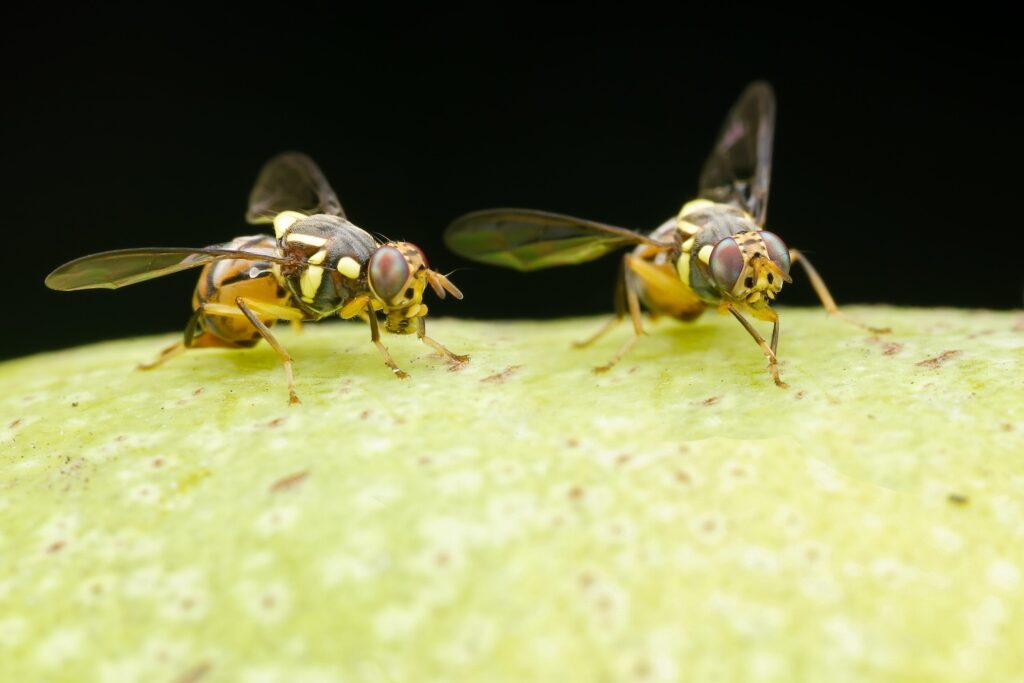
Fruit flies are a common nuisance in many households, especially during the warmer months in the South Sound. These tiny pests can quickly become an infestation, making their presence known around your kitchen, garbage bins, and any place where there is decaying organic matter.
If you live in Olympia, Lacey, or Tumwater, you know that the humidity and local greenery can make indoor pests feel like a constant battle.
At Bigfoot Pest Management, we believe in being honest with our neighbors. Many people wonder why professional pest control companies often do not offer specific treatment plans for fruit flies.
In this guide, we will explore why that is and show you exactly how to get rid of fruit flies fast using methods that actually work. By understanding these insects and taking proactive steps, you can keep your home fruit fly-free without spending money on unnecessary professional services.
Understanding Fruit Flies and Their Lifecycle
Fruit flies belong to the species known as Drosophila melanogaster. They are very small insects, usually measuring about 1/8 inch in length. You can identify them by their tan or brown bodies and their distinct red eyes. Some species might look a bit darker, but the behavior is almost always the same. They are attracted to ripened or fermenting fruits and vegetables. This is where they choose to lay their eggs.
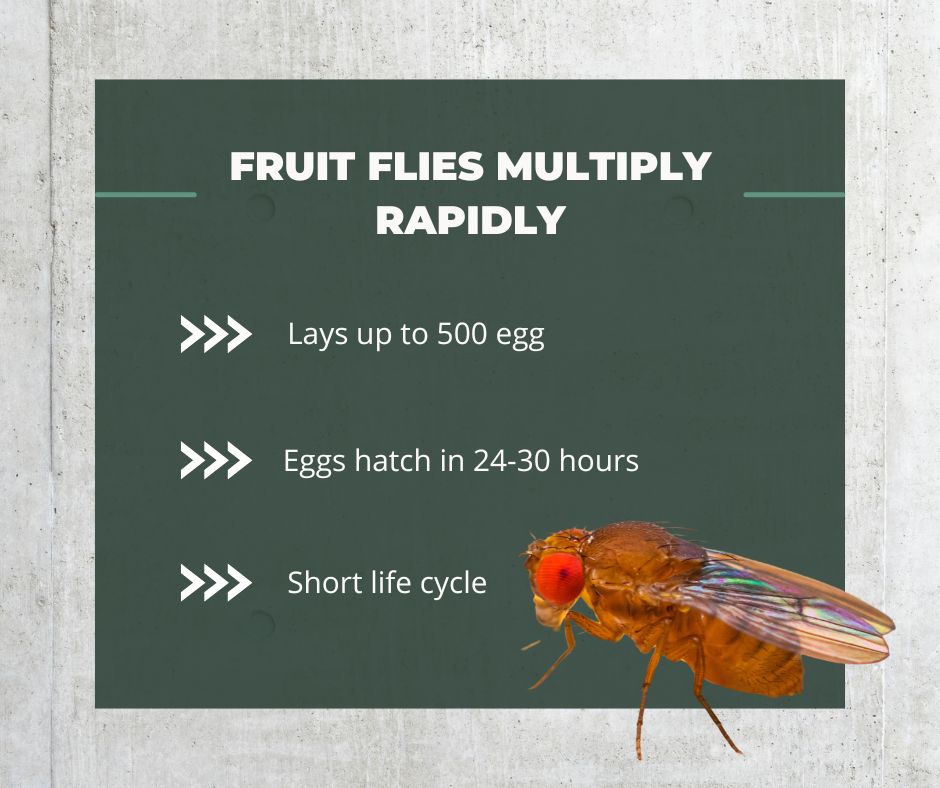
The reproduction cycle of a fruit fly is incredibly fast. A single female can lay up to 500 eggs at one time. These eggs can hatch into larvae in as little as 24 to 30 hours. Because they grow so quickly, a tiny problem on Monday can become a full swarm by Wednesday.
This rapid growth is why homeowners in the Yelm and South Sound area often feel overwhelmed when they see them in the kitchen. Understanding that they breed in moist, organic spots is the first step to winning the battle.
Why Most Pest Control Doesn’t Treat Fruit Flies
Professional pest control services, including our team at Bigfoot Pest Management, typically do not treat fruit flies with standard chemical sprays. There are several reasons for this approach that prioritize your safety and your wallet.
First, the most important factor is source control. The only way to get rid of fruit flies for good is to remove their breeding source. If we were to spray your kitchen, but you still had a rotting bag of potatoes in the pantry, the flies would return in a matter of days. Professional treatments are simply not effective if the underlying issues, such as exposed food or organic waste, stay in the home.
Second, fruit fly infestations can almost always be handled with non-toxic solutions. Since these pests are usually found in kitchens and dining areas, we want to avoid using heavy pesticides near food surfaces. DIY methods are often much safer and more practical for families and pets in the South Sound.
Finally, fruit flies have an extremely short life cycle. Their populations can be brought under control very quickly with proper cleaning and simple traps.
Because of the nature of these pests and the price tag of a standard quarterly service, we do not recommend paying for professional preventative care for fruit flies. We would rather help you save that money for pests that truly require a pro, like carpenter ants or rodents.
Pests Bigfoot Pest Management Does Treat
You might notice that fruit flies aren’t on our official service list. There’s a good reason for that: fruit flies are “filth flies” that live and die by the bowl of overripe bananas on your counter or the organic buildup in your drain. Because their life cycle is so fast and tied strictly to sanitation, professional chemical treatments are rarely effective or necessary.
Our focus is on the “Big” stuff. At Bigfoot Pest Control, we specialize in the pests that require expert equipment, professional-grade products, and deep technical knowledge to eliminate. While a vinegar trap can handle a fruit fly, it won’t stop a carpenter ant colony from tunneling through your framing or a rodent from nesting in your crawlspace.
We lean into Integrated Pest Management (IPM) to protect your home from:
- Persistent Invaders: Ants, spiders, and earwigs that breach your perimeter.
- Structural Threats: Destructive termites and wood-boring insects.
- Health Risks: Wasps, hornets, and rodents that put your family at risk.
If you’re dealing with fruit flies, our best advice is to clear the counters and flush the drains. But if you see a pest that’s a real threat to your property or peace of mind, that’s where our service comes in.
What Attracts Fruit Flies?
Fruit flies are primarily attracted to ripe, fermenting, or rotting fruit and vegetables. The scent of fermenting sugars in these foods acts as a powerful lure for these tiny flying insects. Besides fresh fruit, they are also drawn to organic matter in places such as kitchen sinks, garbage disposals, trash cans, and damp cleaning cloths where food residue accumulates.
Moist environments with standing water and decaying material provide ideal breeding grounds for fruit flies to lay their eggs and multiply rapidly. Understanding these causes is essential to effectively prevent and control fruit fly infestations.
Effective Home Remedies to Get Rid of Fruit Flies
Since professional sprays are not the answer for this pest, you need to know which home remedies actually work. We have tested many methods, and these are the most effective ways to trap and kill the adults currently flying around your home.
The Apple Cider Vinegar Trap
This is the most popular and effective trap used by homeowners. You will need a small bowl, apple cider vinegar, and liquid dish soap.
Fill the bowl with the vinegar and add a few drops of soap. The vinegar has a strong, fermenting smell that attracts the flies. The dish soap is the secret ingredient. It reduces the surface tension of the liquid. When the flies land on the surface, they sink and drown instead of being able to fly away. This trap is great for placing near your fruit bowl or kitchen sink.
The Fruit Trap
If you have some overripe fruit, you can use it to catch the flies. Place a piece of a soft banana or a bruised peach in a jar. Cover the top tightly with plastic wrap and use a rubber band to hold it in place. Use a toothpick to poke several small holes in the plastic. The fruit flies will follow the scent into the jar but will be unable to find their way back out through the tiny holes.
The Red Wine Trap
Fruit flies love the smell of wine as it begins to turn. If you have a small amount of red wine left in a bottle or a glass, add a drop of dish soap to it. Much like the vinegar trap, the wine acts as a powerful lure. This is a very simple way to clear out a room quickly after a dinner party or event.
The Milk, Sugar, and Pepper Trap
This is a traditional remedy that has been used for a long time. In a small saucepan, mix two cups of milk, eight tablespoons of sugar, and four tablespoons of ground black pepper. Let the mixture simmer for about 10 minutes, then pour it into shallow dishes. Place these dishes around the areas where you see the most activity. The flies are attracted to the sweet mixture and will drown in the liquid.
Herbs and Essential Oils
If you want to keep flies away from certain areas, you can use natural repellents. Fresh basil or mint leaves placed on the counter can help discourage them. You can also use essential oils like eucalyptus or lavender diluted in water. While these do not kill the flies, they act as a natural shield to keep them from entering your home through open windows or doors during the warm South Sound summers.
| Trap Type | Best Location | Key Benefit |
| Apple Cider Vinegar | Kitchen Counter | Most reliable and fast |
| Fruit Trap | Near Trash Cans | Uses materials you already have |
| Red Wine | Dining Areas | Great for small numbers of flies |
| Milk and Pepper | Large Kitchens | Traditional and non-toxic |
Deep Cleaning to Eliminate Breeding Sites
Traps are great for catching the flies you see, but you must clean them to stop the ones you do not see. Fruit flies lay eggs in the “slime” that builds up in various parts of your kitchen.
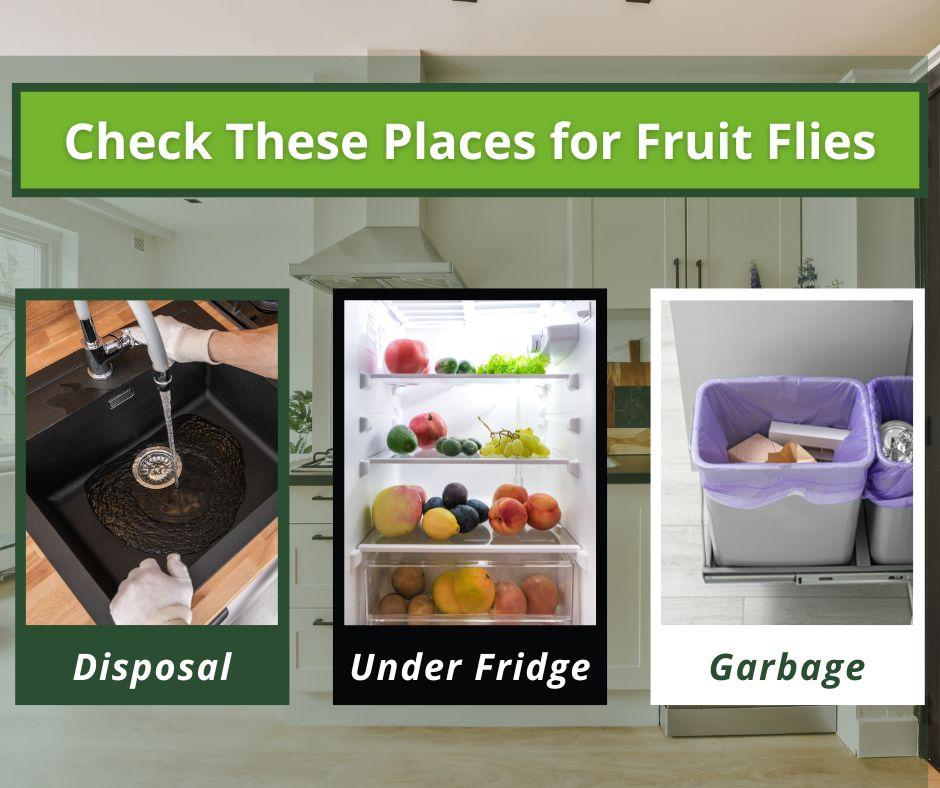
Start with your kitchen sink and garbage disposal. These areas are prime real estate for fruit fly eggs. You can pour boiling water down the drain to help clear out the buildup and kill any eggs or larvae. Some people also use a mix of baking soda and vinegar, followed by hot water to ensure the pipes are clean.
Next, check your indoor trash and recycling bins. Even if you take the trash out every day, a small spill at the bottom of the bin can support a whole colony of flies. Scrub your bins with soapy water at least once a month. In areas like Olympia and Lacey, where we have a lot of moisture, these bins can stay damp and attract pests very easily.
Common breeding sites for fruit flies in the home include:
- Kitchen sink drains and garbage disposals
- Trash cans and recycling bins with food residue
- Overripe or rotting fruit left on counters or in fruit bowls
- Damp cleaning cloths, sponges, and mops
- Compost bins or food scrap containers, especially if not sealed tightly
- Slow or clogged drains with organic buildup
- Cracks or crevices where food particles accumulate
- Open bottles or containers with leftover beer, wine, or sugary liquids
Identifying and thoroughly cleaning these areas will help eliminate breeding grounds and reduce fruit fly infestations.
Preventing Fruit Fly Infestations in the South Sound
Prevention is always easier than dealing with a swarm. Homeowners in the South Sound can follow these simple steps to keep their homes clear of fruit flies:
- Store Food Properly
Keep your fruits and vegetables in the refrigerator or sealed containers. Avoid leaving ripe produce on countertops, especially during the peak summer months when fruit ripens quickly. - Manage Waste Promptly
Dispose of food scraps immediately. If you use a compost bin, ensure it has a tight-fitting lid and is emptied regularly to prevent attracting fruit flies. - Inspect and Wash Produce
Check your fruits and vegetables before bringing them into the house. Fruit flies often lay eggs on the skin of bananas, oranges, and other produce at the store. Washing your produce as soon as you get home can remove potential eggs or larvae before they hatch. - Maintain Moisture Control
Wipe down your counters after every meal and clean up any juice or soda spills immediately. Avoid leaving damp mops, dishcloths, or sponges wet for long periods, as these can become breeding sites in the humid South Sound climate.
Other Related Questions
How can I tell the difference between fruit flies and gnats? Fruit flies have red eyes and a tan body. They are almost always found near food or trash. Fungus gnats are darker and look like tiny mosquitoes. They usually live in the moist soil of your houseplants. If you see flies near your windows or plants rather than your fruit, you likely have gnats.
Are fruit flies the same as drain flies? No. Drain flies are fuzzy and look like very small moths. They are usually found sitting on the walls of your shower or near the sink. While fruit flies can live in drains, drain flies specifically need the gelatinous film found in pipes to survive.
Why are fruit flies so bad in the South Sound? Our region has a lot of moisture and organic growth. When we have warm streaks in the summer, the humidity helps organic matter ferment faster. This creates more scents that draw fruit flies toward our homes.
Can fruit flies carry diseases? They do not bite, but they can carry bacteria from dirty surfaces to your food. Because they spend time on garbage and in drains, they can pick up germs and drop them on your clean fruit or countertops.
When to Call a Professional
While fruit flies are usually a DIY project, there are times when you should call the team at Bigfoot Pest Management. If you have cleaned your kitchen and set traps, but the flies keep coming back, you might have a different type of fly infestation.
Phorid flies and cluster flies often look similar to fruit flies but require different treatment methods. We also recommend calling a professional if you notice other pests while you are cleaning.
If you see signs of ants, spiders, or rodents in your kitchen, that is when our expert exclusion and prevention services become very valuable. We can help seal up your home in Olympia or Lacey to make sure all types of pests stay outside where they belong.
Conclusion
Fruit flies are a frustrating part of homeownership, but they do not have to take over your life. By using simple traps like apple cider vinegar and focusing on deep cleaning your drains and trash bins, you can manage the problem yourself.
Remember that professional pest control is not usually the right tool for this specific job. Save your money and focus on sanitation to keep your South Sound home clean and comfortable.
If you find that your pest problems go beyond a few flies, Bigfoot Pest Management is here to help. We are proud to serve the communities of Olympia, Lacey, Tumwater, and Yelm with honest, effective pest solutions. Whether you need rodent control or a seasonal pest prevention plan, our team is ready to protect your home.


Preparing for Spiders in Washington State This Spring and Summer
Spring in Washington state means longer days, warmer nights, and more bugs. And where bugs go, spiders follow. If you live in the Olympia area,…
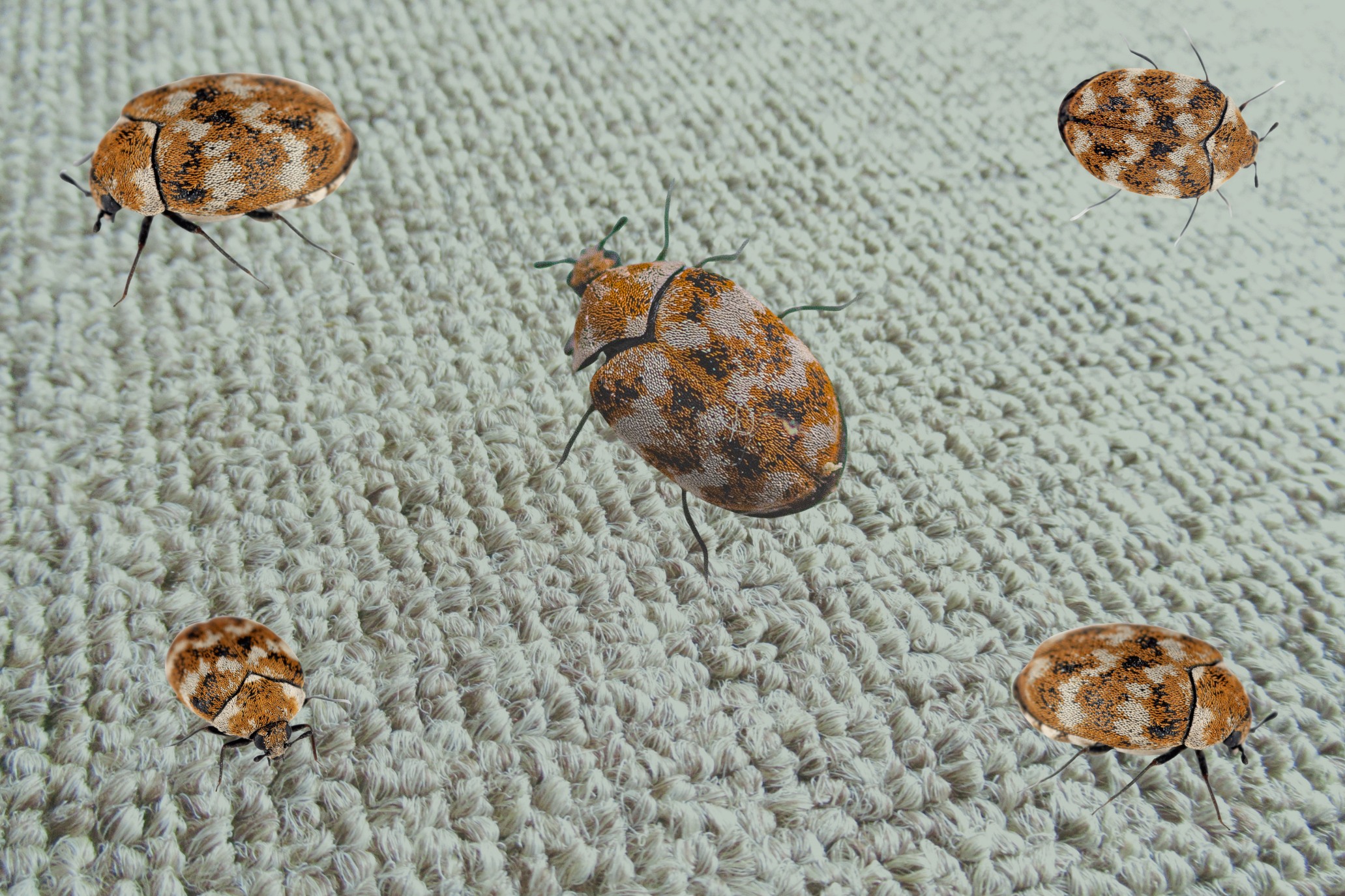
Where Carpet Beetles Come From and How to Stop Them
If you have noticed tiny beetles near your windowsills or found mysterious holes in your wool sweaters, you might be dealing with carpet beetles. These…